

Rising global oil prices are placing increasing strain on the Caribbean, a region that contributes very little to fossil fuel production yet bears disproportionate consequences. The Caribbean is a minor producer of oil and gas, with only two countries actively extracting these resources, but while we produce the least, we experience some of the most severe impacts of both the fossil fueled climate crisis and global political instability that drives price volatility. Despite having abundant renewable energy potential, the region remains heavily dependent on fossil fuels for electricity generation and transportation. This dependence is deeply rooted in a history of colonization that brought fossil fuel companies into the countries, dismantled local agricultural systems and created a structural reliance on imported food. As oil prices rise, so do transportation and production costs, making basic goods more expensive and further exposing the region’s economic vulnerability.
The case of Puerto Rico
In Puerto Rico, these challenges are even more acute. The island already faces extremely high food prices due to its reliance on importing approximately 85% of its food, plus the restrictions of the Jones Act, which requires goods to be transported on U.S. ships that are often more expensive. This burden is especially severe in a context where around 40% of the population lives below U.S. federal poverty levels. At the same time, Puerto Rico is highly dependent on cars due to limited public transportation infrastructure and services. As oil prices increase, the cost of gasoline rises, placing additional pressure on households that already spend a significant portion of their income on car payments and fuel. For many, this creates an unsustainable cycle, needing to spend more on gas just to get to work in order to afford the very cost of transportation itself.
The situation turns into thousands of families struggling to pay for basic transport and food necessities, being stressed and worried and asking for support from a local government that unfortunately thinks of renewable energy as a last resort.
The case of Cuba
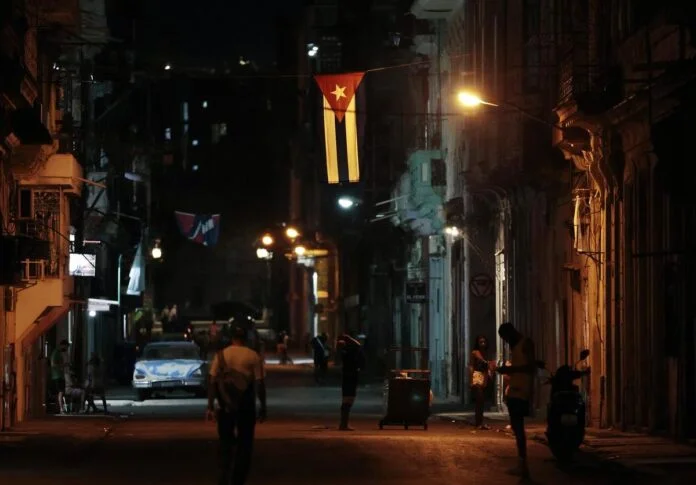
The global rise in oil prices has deepened an already critical energy crisis in Cuba, where dependence on imported fuel means that any international fluctuation has direct consequences for daily life. Fuel shortages have driven up costs, with gasoline reaching unaffordable prices, and have caused prolonged and frequent blackouts that paralyze basic services such as health, education, and transportation, profoundly affecting the economy and the well-being of the population.
Historical dependence on countries like Venezuela has left Cuba particularly vulnerable to external political and economic changes. As a result, the country faces a kind of social paralysis: empty streets, stalled economic activity, and a widespread sense of uncertainty. The rising price of oil not only increases the cost of living, but also highlights the urgent need to transition to more stable and sustainable energy sources that reduce this structural vulnerability.
The case of Dominican Republic
The global rise in oil prices is having a direct impact on the Dominican Republic, which has a 25% of electricity generation with renewable energy but a 100% dependence on imported fuel for everything else. This vulnerability has forced the government to implement substantial subsidies to contain domestic prices, allocating millions of dollars week after week to prevent a sharp increase in the cost of living. However, experts warn that this strategy, while useful in the short term, is not sustainable, as it increases public spending, distorts energy consumption, and postpones inevitable adjustments.
Meanwhile, the effects of this crisis are already being felt in the real economy. Key sectors that employ thousands of people, such as construction, are facing serious difficulties, with small businesses especially at risk of disappearing due to rising fuel costs and insufficient direct support. This situation not only threatens jobs and infrastructure projects but also highlights how dependence on fossil fuels exposes the country to external shocks. In this context, rising oil prices not only increase operating and transportation costs, but also deepen economic imbalances, underscoring the urgency of moving towards a more diversified and resilient energy model.
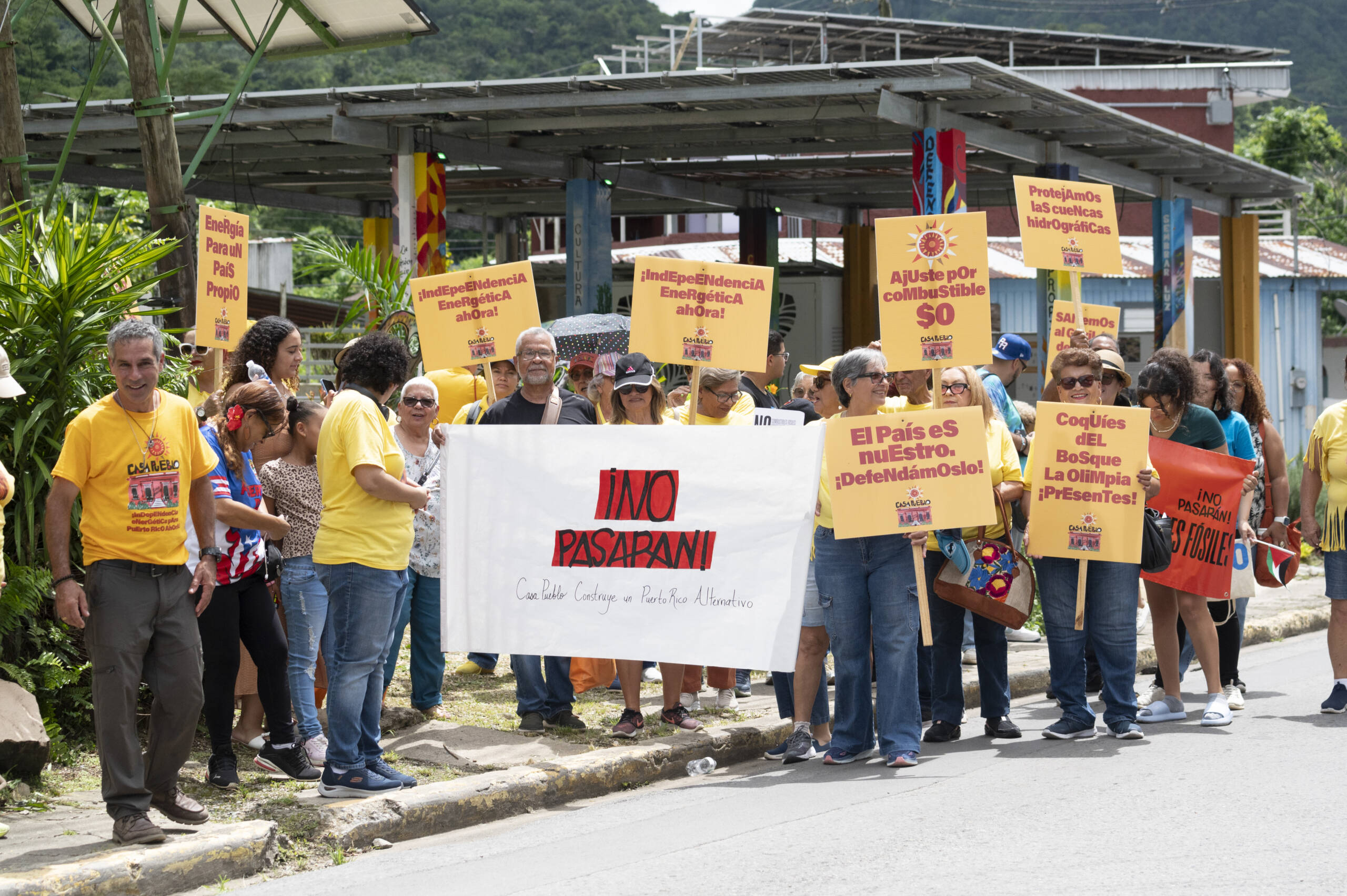
Residents of Puerto Rico calling for more renewable energy at the facilities of Casa Pueblo, Adjuntas.
Across these three contexts, a common reality emerges: fossil fuel dependence is not just an economic issue, but a structural threat to people’s lives. The risks are too many, including the problems with extraction that harms communities, the climate change that intensifies disasters and foreign interests and conflicts that drive price spikes. This economic model leaves the Caribbean vulnerable and without control over its future. Achieving energy justice means shifting toward distributed, affordable, and clean energy systems that are locally led by communities. By investing in renewable solutions like solar and wind, and ensuring they are accessible to all, Puerto Rico, Cuba, Dominican Republic and the entire Caribbean can build a more resilient, equitable, and sustainable future where energy is not a burden, but a shared right.
