

Access to energy is not a privilege, it is a right. Yet we are seeing a situation unfolding in Cuba where there is not just a crisis of infrastructure or fuel, but a profound injustice rooted in systems that deny people the power to live with dignity and self-determination. No nation should be held hostage to foreign policies, political pressures, or volatile global markets just to keep the lights on. Energy sovereignty is essential to human sovereignty, and the current reality in Cuba exposes how fragile and unjust centralized and fuel import dependent systems can be. Zafra Alonso, part of 350.org in the Caribbean, talks about how daily life looks like during this energy crisis and how renewable energy could make a difference.
What does the energy situation look like today, and how is it affecting daily life?
“The energy situation in Cuba can be described in one word: precarity. Among Cubans, there is now a widely shared feeling, the problem is not just the current lack of fuel, but the complete absence of hope that things will improve in the near future. A total blockade of the island by the United States, which restricts fuel imports, combined with severely deteriorated energy infrastructure, are, broadly speaking, two of the main causes of this crisis.
Living without fuel is extremely difficult; living without hope for a better future feels impossible. Power outages can last more than 24 hours. Electricity may come on for just two hours before going off again. During those brief windows, everyone tries to charge phones, cook, and carry out basic household tasks — no matter the time of day. If electricity comes in the middle of the night, the whole neighbourhood wakes up to make the most of it.
Workplaces are closed, schools operate intermittently, healthcare services are almost non-existent, and transport is mostly private, scarce, and very expensive. A litre of petrol costs around $10 at current exchange rates, a price only a few can afford, even in emergencies.”
What has changed since the tightening of the blockade and restrictions on oil shipments?
“Power cuts are not new in Cuba, but the level of precarity seen today is. Following COVID-19, the country fell into a deep economic crisis, with little money to invest in infrastructure and fewer allies willing to supply fuel. Since then, blackouts have become more frequent and longer, along with repeated collapses of the National Electric System.
The tightening of the blockade has, in effect, “pressed on the wound.” All these problems have intensified. Power cuts are now more widespread and last much longer, and system-wide failures are more frequent.
Cuba is now often described as a “ghost country.” On a typical morning, the streets are empty, no children going to school, no workers commuting, no cars, no young people gathering for coffee. There is a widespread sense of isolation and sadness.”
What would be different if Cuba had its own clean energy instead of depending on imports?
“Having its own clean energy would transform Cuba in several ways. First, it would bring greater economic stability. Cuba has long depended heavily on imported oil, making it vulnerable to external crises. With the recent capture of Nicolás Maduro, and Venezuela being the island’s main crude oil supplier, the country has been left even more exposed.
With domestic energy, Cuba could reduce spending on fuel imports, gain protection from global price fluctuations, and invest more in diversifying its economy and strengthening key sectors like healthcare, infrastructure, and food production.
At present, a small portion of the population has turned to solar panels as a solution, but this remains limited due to high costs and reliance on private companies for import and installation. What is needed is large-scale investment that is not controlled by a few private actors driving up prices.
Cuba’s geography offers strong potential for clean energy , including solar, wind, and biomass. Harnessing these resources would support economic growth by enabling reliable industrial production, boosting tourism (with hotels no longer affected by blackouts), and supporting small businesses and entrepreneurship.
Clean energy would also mean greater political independence. Reduced reliance on external energy suppliers would give Cuba more autonomy in international decision-making and reduce geopolitical pressure.
Finally, the environmental benefits are significant. Reduced use of fossil fuels would mean less pollution, healthier ecosystems, lower environmental risks, reduced contributions to climate change, and a meaningful improvement in the quality of life for Cuban people.”
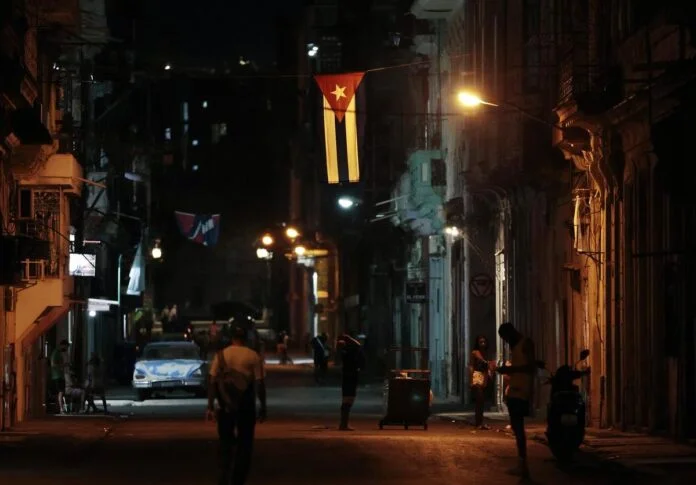
Photo: Grupo Milenio
Across the Caribbean, this moment calls for a different path, one where we need to focus on community-led renewable energy as the only alternative that can put power, literally and politically, back into the hands of the people. By investing in decentralized solutions like solar, wind, and community microgrids, Cuba and the region can build resilience, protect themselves from external control, and secure a future where energy is stable, accessible, and truly their own.
